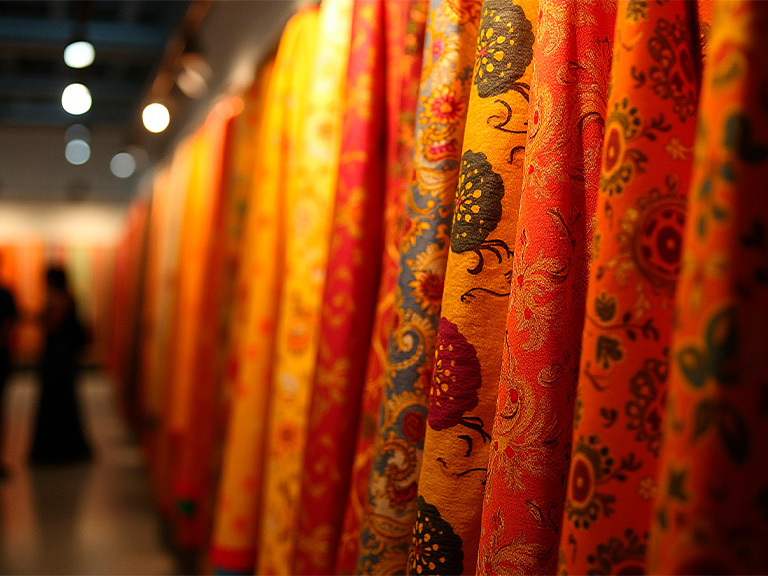
In the realm of DIY fashion and artistic expression, fabric painting holds a special place. It’s a versatile and creative way to breathe new life into your wardrobe. Whether you want to revamp old clothing or add a personalized touch to new pieces, fabric painting offers endless possibilities. At Diva Lifestyles, where craftsmanship meets innovation, these techniques inspire both amateurs and experts alike. Let’s explore the *top five fabric painting techniques* that can instantly transform your wardrobe and ignite your creativity.
1) Freehand Painting: The Art of Personal Expression
If you’re someone who loves to let creativity flow freely, freehand painting is the perfect technique for you. Armed with a brush and fabric-friendly paints, you can bring any design to life. Whether it’s abstract art, intricate florals, or geometric patterns, this technique allows you to create one-of-a-kind pieces that reflect your personality.
Pro Tip: Start with simple designs and practice on scraps of fabric before moving to your favorite garments. Use Diva Lifestyles’ premium fabric paints for vibrant and long-lasting results.
2) Block Printing: Perfect Patterns in Minutes
Block printing is a centuries-old technique that never goes out of style. Using carved blocks or ready-made stamps, you can easily create repetitive designs and patterns. It’s especially effective on sarees, scarves, and kurtas, making the process quick yet impactful.
Pro Tip: Experiment with different block shapes and colors for a unique look. For beginners, start with a single block and one color before layering designs.
3) Stenciling: Precision Made Easy
Stenciling is a favorite among DIY enthusiasts for its accuracy and ease. Using pre-designed stencils, you can paint intricate patterns that would otherwise take hours to perfect by hand. Stenciling works wonders on T-shirts, tote bags, and home décor items like cushion covers.
*Pro Tip:* Secure the stencil firmly with tape to prevent smudging. A sponge applicator or a flat brush works best for even paint application.
4) Dip Dyeing: A Splash of Subtle Elegance
If you’re a fan of soft gradients and ombre effects, dip dyeing is your go-to technique. It involves immersing parts of the fabric into dye baths to create dreamy, cascading tones. This technique is ideal for lightweight fabrics like chiffon or cotton.
Pro Tip: For an added artistic twist, combine dip dyeing with block printing or stenciling.
5) Embossed Painting: Adding Texture to Design
Embossed painting is a textured fabric painting technique that creates a raised, 3D effect. Perfect for festive attire or statement pieces, this technique transforms garments into luxurious works of art.
Pro Tip: Use fabric puff paints to achieve the embossed effect. Diva Lifestyles’ curated collection offers rich colors that are perfect for festive creations.
Transform Your Wardrobe Today
Fabric painting isn’t just about adding color to clothing; it’s about transforming everyday items into cherished pieces that reflect your style. At Diva Lifestyles, we embrace the artistry behind these techniques, showcasing how fabric painting can empower personal expression.
Whether you’re trying your hand at freehand painting or experimenting with intricate stenciling, the possibilities are as limitless as your imagination. Ready to redefine your wardrobe? Start your fabric painting journey today and make every outfit a masterpiece.
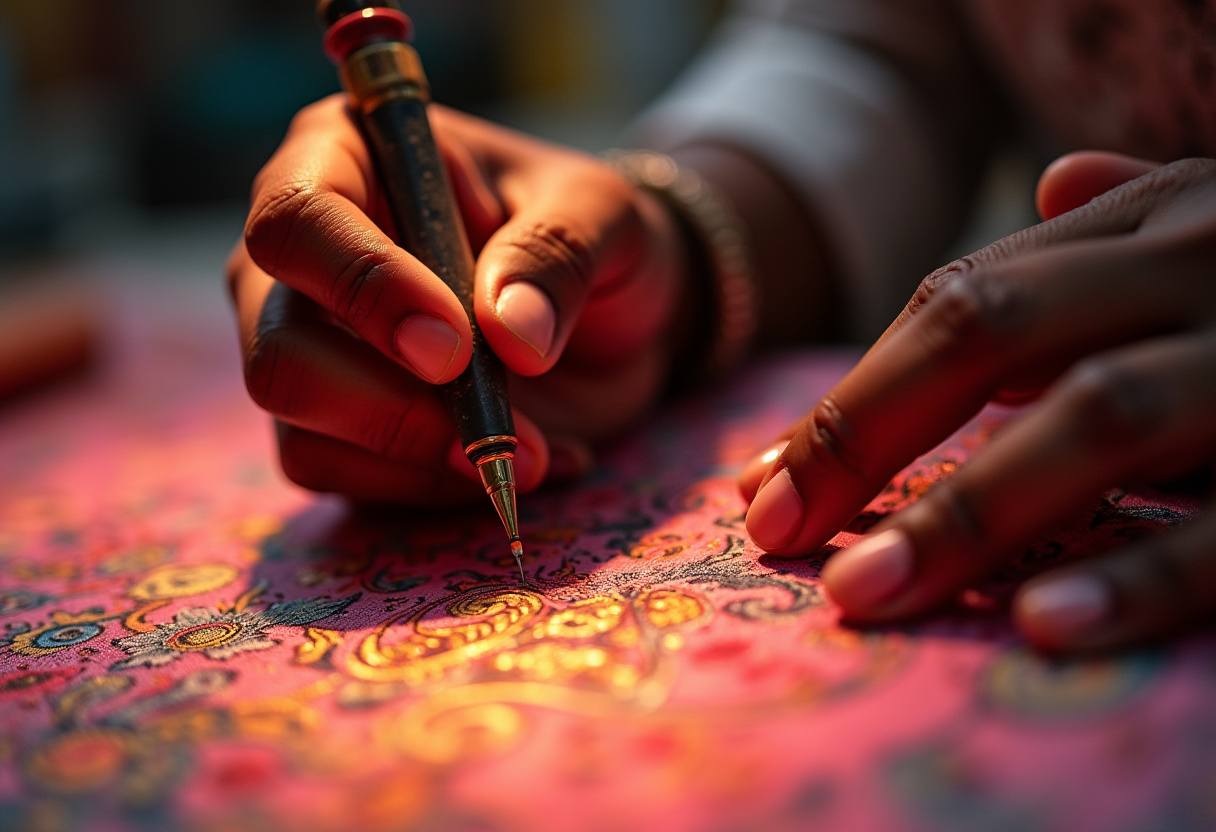
Sarees have long been celebrated as a symbol of Indian heritage and elegance. Among them, *hand-painted sarees* stand out for their unique blend of tradition, artistry, and modern sophistication. At Diva Lifestyles, each hand-painted saree is more than just a garment—it’s a masterpiece. With their captivating designs and sustainable craftsmanship, these sarees are a must-have for every art lover and fashion enthusiast.
Why Hand-Painted Sarees Are the Epitome of Elegance
A hand-painted saree from Diva Lifestyles starts its journey as a blank canvas, transforming into a vibrant expression of creativity. The intricate designs, inspired by nature, culture, and abstract art, are brought to life by skilled artisans. These sarees appeal to women who value exclusivity and wish to make a lasting impression.
The Unique Craftsmanship Behind Diva Lifestyles
Each saree is carefully hand-painted using eco-friendly dyes that are gentle on the fabric and the environment. The process involves blending *traditional techniques* like freehand painting and stencil work with modern innovations. This meticulous approach ensures every saree is a testament to the artisan’s dedication and skill, often taking days or even weeks to complete.
By offering a wide range of designs—from delicate floral motifs to bold abstract patterns—Diva Lifestyles ensures there’s a saree for every occasion, whether it’s a wedding, a festive celebration, or a casual evening gathering.
The Perfect Fusion of Art and Fashion
Diva Lifestyles has redefined hand-painted sarees, turning them into wearable art pieces. These sarees symbolize a fusion of cultural heritage with contemporary design, making them ideal for the modern woman who appreciates tradition yet embraces innovation.
Art lovers are drawn to the uniqueness of these sarees, while fashionistas admire their versatility. Pair a Diva Lifestyles saree with traditional jewelry for a grand look or opt for minimalist accessories to highlight its artistic flair.
Sustainability in Every Drape
In a world dominated by fast fashion, Diva Lifestyles champions the cause of *sustainable fashion*. By focusing on hand-painting techniques and using natural, eco-friendly materials, the brand aligns with the growing demand for conscious consumerism. Each saree reflects a commitment to quality, artistry, and environmental responsibility.
Why Choose Diva Lifestyles?
Diva Lifestyles is a pioneer in the world of hand-painted sarees, offering unparalleled craftsmanship and timeless designs. Owning one of their sarees is akin to owning a piece of art—a legacy that can be cherished for generations.
By choosing a hand-painted saree, you’re not just buying an outfit; you’re investing in a story of passion, creativity, and tradition.
Embrace the Elegance Today
Discover the magic of hand-painted sarees at Diva Lifestyles. Elevate your wardrobe with a unique piece that combines cultural heritage, artistic expression, and sustainable fashion. With Diva Lifestyles, every drape tells a story—and that story could be yours.
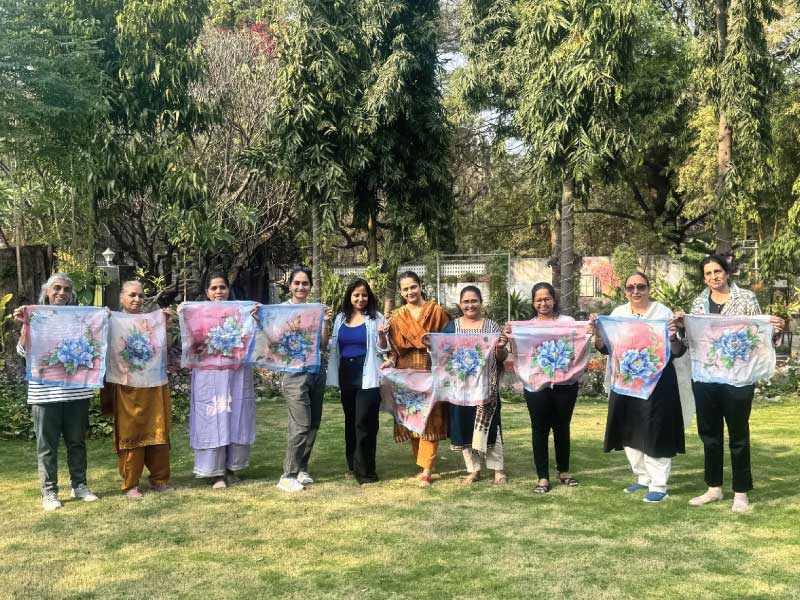
Fashion is more than just fabric stitched together—it is a reflection of one’s personality, emotions, and identity. Hand-painted fashion takes this self-expression to another level, allowing individuals to wear pieces that tell their unique stories. Unlike mass-produced clothing, hand-painted fashion is an art form that embodies creativity, authenticity, and exclusivity.
The Personal Touch in Hand-Painted Clothing
Each hand-painted piece is a one-of-a-kind masterpiece, created with care and intention. The colors, patterns, and strokes are influenced by the artist’s emotions, making every creation deeply personal. Wearing hand-painted fashion allows individuals to connect with the story behind their clothing, celebrating originality in a world dominated by fast fashion.
Uniqueness Over Mass Production
With fast fashion ruling the industry, most clothing pieces are replicated in large quantities. Hand-painted garments, on the other hand, break away from this cycle, offering something truly exclusive. No two pieces are ever alike, giving the wearer a sense of distinction and individuality.
A Celebration of Craftsmanship
Hand-painted fashion is not just about aesthetics—it is about honoring the skills of artisans. Each brushstroke reflects the dedication of artists who pour their passion into their work. By choosing hand-painted fashion, individuals support craftsmanship that has been passed down through generations.
✨ Express Yourself with Diva Lifestyles’ Hand-Painted Wearable Art! ✨
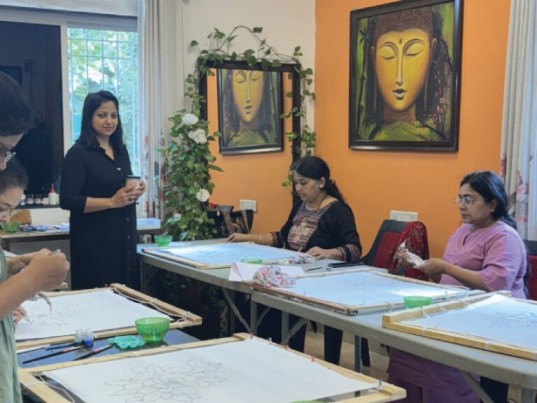
In the world of fashion, there is something incredibly special about owning a piece that is not just beautiful but also carries the soul and dedication of an artist. At Diva Lifestyles, we celebrate wearable art, and our hand-painted sarees are more than just garments – they are canvases brought to life by masterful strokes and deep creative expression. In this blog, we take you behind the brush to reveal the intricate process, craftsmanship, and passion that go into making each hand-painted saree.
The Art of Hand-Painting: A Legacy of Craftsmanship
Hand-painted sarees have a rich history rooted in traditional textile artistry. Unlike machine-printed or mass-produced designs, each hand-painted saree carries the uniqueness of an artisan’s touch. The tradition of painting on fabric dates back centuries, from the elaborate Kalamkari of India to the vibrant Batik styles of Indonesia. Today, Diva Lifestyles brings this tradition into the modern era by fusing heritage techniques with contemporary aesthetics.
Step-by-Step: The Making of a Hand-Painted Saree
Step 1: Choosing the Right Fabric
The journey of a hand-painted saree begins with selecting the perfect fabric. Natural fabrics like silk, cotton, chiffon, and georgette are ideal as they absorb paint beautifully while retaining their texture and drape. The choice of fabric determines the type of painting technique to be used and influences the final look and feel of the saree.
Step 2: Concept & Design Ideation
Before the first brushstroke touches the fabric, the design is carefully conceptualized. Artists draw inspiration from nature, folklore, abstract art, and cultural motifs. Some of the most popular themes include:
The artist sketches the design onto the fabric using chalk or a fine pencil, ensuring precision before painting begins.
Step 3: Preparing the Fabric for Painting
The fabric is washed and ironed to remove any starch or impurities that may interfere with the absorption of colors. A wooden or glass frame is used to stretch and secure the fabric, preventing wrinkles or smudging while painting.
Step 4: Bringing Art to Life with Paint
This is where the magic happens. Using specialized fabric paints, dyes, and sometimes even natural pigments, the artist meticulously fills the outlined design. Various techniques are employed to achieve depth, texture, and vibrancy:
The hand-painting process can take anywhere from a few days to several weeks, depending on the complexity of the design.
Step 5: Drying & Fixing the Colors
Once the painting is complete, the saree is left to dry naturally. Heat-setting is a crucial step to ensure the longevity of the colors. This is done by ironing the fabric on the reverse side or steaming it carefully to lock in the pigments. Some pieces also undergo a post-painting wash to remove any excess colors.
Step 6: Final Touches & Embellishments
Many hand-painted sarees are further enhanced with:
Each saree is then carefully folded, packaged, and prepared for its new home, where it will be cherished as a one-of-a-kind masterpiece.
The Emotional Connection: Wearing Art with Meaning
A hand-painted saree is not just an outfit; it is a wearable story. When you drape yourself in one, you are carrying the vision of an artist, the dedication of hours of meticulous work, and a connection to heritage and artistry. Every brushstroke tells a story, making your saree an expression of your individuality and elegance.
Why Choose a Hand-Painted Saree from Diva Lifestyles?
Caring for Your Hand-Painted Saree
To preserve the beauty and longevity of your saree:
Join Our Hand-Painting Workshops
If you’ve ever been fascinated by the art of fabric painting, why not try your hand at it? At Diva Lifestyles, we offer online and offline workshops where you can learn:
Whether you want to start a new hobby or create personalized gifts, our workshops provide the perfect opportunity to explore your creativity.
Embrace the Beauty of Wearable Art
A hand-painted saree from Diva Lifestyles is more than a fashion choice; it is a celebration of art, culture, and self-expression. Every piece is a labor of love, designed to make you feel special and unique. Experience the magic of wearable art and let every brushstroke tell your story.
🖌️ Explore Our Collection & Own a Masterpiece Today! 🎨

Fabric painting is a wonderful way to express creativity, personalize your wardrobe, and even create stunning works of wearable art. Whether you are a complete beginner or someone looking to refine your techniques, this guide will help you get started on your journey with fabric painting. At Diva Lifestyles, we are passionate about wearable art and offer hand-painted sarees, shirts, kaftans, kurtis, and dupattas. We also conduct online and offline workshops to help you master the art of fabric painting. Read on to learn essential tips and tricks to achieve stunning results!
Why Fabric Painting?
Fabric painting allows you to turn ordinary textiles into beautiful masterpieces. Whether you want to upcycle old clothes, create custom gifts, or make unique fashion statements, fabric painting offers endless possibilities. Unlike screen printing or embroidery, fabric painting provides more artistic freedom, enabling you to create intricate details and textures directly onto fabrics.
Essential Materials for Fabric Painting
Before you begin, gather the right materials to ensure smooth painting and long-lasting results.
Choosing the right fabric is crucial for achieving the best results. Natural fabrics like cotton, linen, and silk absorb paints well and provide vibrant colors. Synthetic fabrics may require special fabric mediums to ensure proper adherence of paint.
There are different types of fabric paints available:
Having a variety of brushes and tools helps in achieving different textures and effects:
Step-by-Step Guide to Fabric Painting
Step 1: Preparing Your Fabric
Step 2: Sketching Your Design
Step 3: Painting Techniques
Step 4: Drying & Heat-Setting
Common Mistakes & How to Avoid Them
Creative Ideas for Fabric Painting
Why Join Our Fabric Painting Workshops?
Learning fabric painting on your own can be exciting, but joining a structured workshop accelerates your progress. At Diva Lifestyles, our expert-led online and offline workshops cover:
By the end of our workshop, you’ll have the confidence to create stunning wearable art pieces and even start your own creative venture!
Sign Up Today & Start Your Fabric Painting Journey!
Fabric painting is an incredibly rewarding and therapeutic art form. Whether you want to create one-of-a-kind wearable masterpieces or explore a new creative hobby, Diva Lifestyles is here to guide you. Join our upcoming workshop and take your first step into the world of fabric painting!
🚀 Sign up now and transform your creativity into wearable art! 🎨✨
The Shift from Fast Fashion to Slow, Sustainable Style
In a world dominated by mass production, where trends change in the blink of an eye, the fashion industry has long been driven by speed. Fast fashion brands churn out new collections at an unsustainable pace, leading to excessive waste, exploitative labour practices, and a loss of individuality in personal style. However, a powerful shift is underway—one that values craftsmanship, sustainability, and uniqueness over rapid consumption. Enter the world of hand-painted wearable art, a movement that is redefining fashion by blending creativity, tradition, and conscious consumerism.
As more consumers embrace mindful shopping and seek out pieces that tell a story, wearable art is emerging as the future of fashion. Brands like Diva Lifestyles are at the forefront of this transformation, offering exquisite hand-painted sarees, kurtis, kaftans, and more that embody slow fashion principles. These timeless, one-of-a-kind creations celebrate artistry while promoting a sustainable and ethical approach to dressing.
What is Hand-Painted Wearable Art?
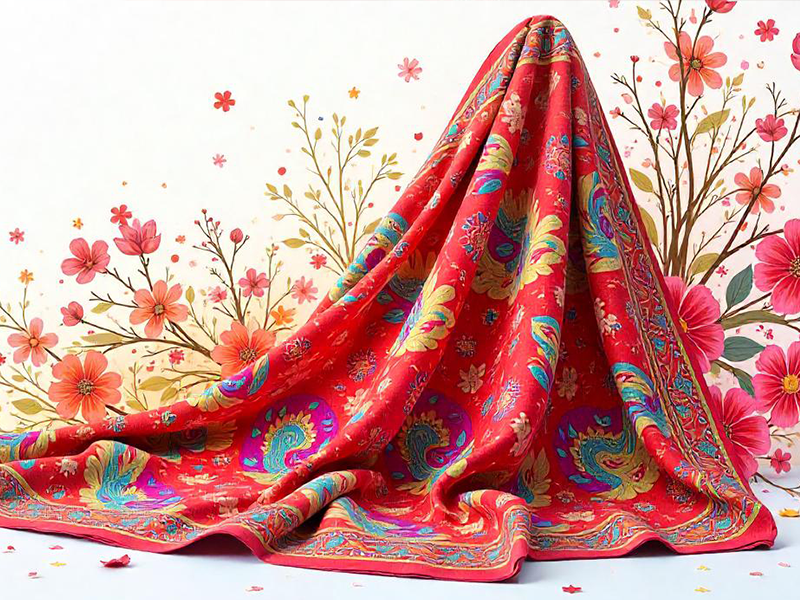
Hand-painted wearable art is fashion that doubles as a canvas—each piece is a unique creation where skilled artisans use fabric as their medium, bringing their designs to life through intricate brushstrokes. Unlike machine-printed fabrics that are replicated in mass production, hand-painted clothing carries the human touch, ensuring that no two pieces are ever exactly alike.
From traditional motifs inspired by Indian heritage to contemporary abstract designs, hand-painted garments reflect personal expression and artistic mastery. Whether it’s a delicate floral pattern on a silk saree or a bold modern artwork on a cotton kurti, these pieces are crafted with patience, creativity, and a deep respect for art.
Why Fast Fashion is Losing Its Appeal
Fast fashion is one of the biggest contributors to textile waste and pollution. Mass production involves excessive water usage, chemical dyes that pollute water bodies, and synthetic fabrics that take decades to decompose. On the other hand, hand-painted wearable art supports eco-friendly materials and non-toxic, sustainable dyes, making it a greener choice.
Fast fashion thrives on replication. The same designs are produced in bulk, leading to a wardrobe that lacks individuality. In contrast, wearable art celebrates uniqueness—every hand-painted piece is exclusive, telling its own story of creativity and craftsmanship.
To keep up with demand, fast fashion brands often exploit workers in sweatshops, underpaying them and subjecting them to poor working conditions. In contrast, slow fashion brands that focus on wearable art prioritize fair wages, ethical production, and supporting local artisans.
The Benefits of Hand-Painted Wearable Art
When you wear hand-painted clothing, you are wearing a piece of art. Each brushstroke tells a story of an artisan’s skill and dedication. Unlike mass-produced garments, which often feel impersonal, wearable art allows you to connect deeply with the creative process behind what you wear.
Hand-painted fashion encourages a buy less, choose better philosophy. Since these pieces are crafted with care and high-quality materials, they are designed to last longer than fast fashion items, reducing waste and excessive consumption.
Trends fade, but art is eternal. Hand-painted pieces are timeless—they can be passed down as heirlooms or styled in multiple ways to suit evolving preferences. Investing in wearable art means building a wardrobe that stands out for its elegance and originality.
When you purchase a hand-painted garment, you are directly supporting skilled artisans who dedicate their lives to preserving traditional painting techniques. Your purchase helps sustain their livelihoods and keeps age-old crafts alive for future generations.
How Hand-Painted Wearable Art is Redefining Fashion Trends
Many hand-painted garments incorporate traditional Indian art forms like Madhubani, Kalamkari, Warli, and Patta-Chitra. These intricate designs, once confined to murals and scrolls, are now finding a new canvas—fabric. Wearing these pieces is a way of celebrating India’s rich artistic heritage.
Wearable art allows for personalization—many brands, including Diva Lifestyles, offer custom-made pieces where customers can choose designs, colours, and themes that resonate with them. This ensures that fashion becomes an extension of one’s personality rather than a dictated trend.
Luxury is no longer just about big brand logos; it’s about craftsmanship and exclusivity. As conscious consumers move away from mass-produced luxury labels, they are embracing handcrafted, made-to-order fashion that reflects their values and appreciation for artistry.
Hand-painted garments blend seamlessly with modern and traditional wardrobes. A silk hand-painted saree can be styled traditionally for weddings or draped unconventionally for a contemporary look. Similarly, a painted cotton kaftan can transition from a relaxed day outfit to an elegant evening ensemble.
How to Incorporate Hand-Painted Fashion into Your Wardrobe
If you’re new to wearable art, begin with a statement piece like a hand-painted dupatta or a signature Kurti. These versatile items can be paired with existing wardrobe staples for an effortless yet artistic look.
Balance a bold hand-painted garment with neutral basics. For example, pair a hand-painted silk shirt with classic denim or a hand-painted saree with a minimalist blouse to let the artwork shine.
Opt for breathable, sustainable fabrics like silk, cotton, and linen, which not only enhance the vibrancy of hand-painted designs but also ensure comfort and longevity.
If you have a vision for a wearable art piece, consider commissioning a custom design that speaks to your style. This is especially meaningful for milestone events like weddings, anniversaries, or gifting.
The Future of Fashion: Conscious, Artistic, and Ethical
As the world shifts towards sustainable and meaningful fashion choices, hand-painted wearable art is more than just a fleeting trend—it’s a movement that honors creativity, tradition, and mindful living. Choosing hand-painted clothing means embracing a future where fashion is slower, more personal, and infinitely more beautiful.
At Diva Lifestyles, we believe in crafting pieces that tell a story, connect people to art, and redefine fashion with authenticity. Join the movement and be part of a world where clothing isn’t just worn—it’s experienced, cherished, and celebrated.
Explore the world of wearable art with Diva Lifestyles today and make every outfit a masterpiece.